People-pleasing is a flaw? Let me show you the power in it.
People-pleasing is a flaw. A crack in the system. Something to fix before you get your sanity back. Here’s the twist: sometimes it’s survival. Sometimes it’s strategy — the thing that gets you paid and puts you on the guest list for the tables where invitations aren’t handed out. You don’t have to be the apprentice. You can be the master.
Darling, pull up a chair — or better, slide onto a barstool — because I’m about to pour you the kind of drink they never serve at self-help workshops. Not your usual “just say no” swill, but the slightly scandalous, occasionally unpopular, far more fun theories most experts won’t touch (at least not without a nervous disclaimer).
This isn’t a rule-following blog. We bend them — not illegally, but in that slightly unorthodox, oh-you-know-what-I-mean way. Think of this as your little black book: eight provocative takes on why you do what you do, and how to make it work for you instead of against you.
Some will feel deliciously validating. Some will make you side-eye your own habits. And some might make you laugh and mutter, Oh God… she’s talking about me.
Ready? Let’s misbehave.
People Pleasing Radar: Turning Oversensitive into an Asset
Some of us are taught to be people pleasers. Some are born with it — like it’s wired into the nervous system, a tripwire you can’t disarm. They don’t flinch when someone frowns; they just know, the way some women can sense a bad date before the first drink even lands. If you’re one of those, you know exactly what I mean.
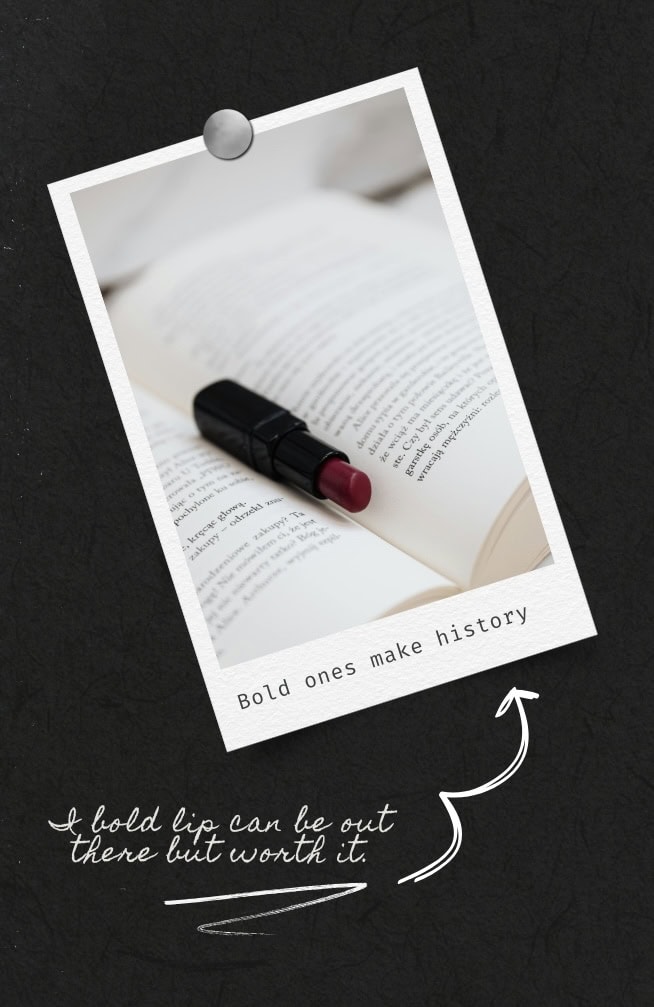
People call it oversensitive. I call it luxury radar. Sure, you can dig for the root cause and try to destroy it. Me? I’d start cashing in. And yes, I’d do it with a bold lip. That kind of awareness opens doors you didn’t even know existed. The trick is to treat that hyper-awareness as currency, not a liability.
Like that event planner who senses tension between two VIP guests before anyone else — then quietly rearranges the seating so the photos are perfect and the drama never makes the record. That’s not just awareness. That’s billable instinct. Trust me honey, I have not just survived with it. I was able to get a seats at those table that weren’t found — they were bestowed, usually after years of circling the room. I am sure you know how corporate works.
So if anyone who calls oversensitivity a disadvantage hasn’t read the research — being sensitive is often a strength, wired for deeper insight and creativity.” [TIME Magazine explains why sensitivity is scientifically a strength]
Influence Isn’t an Accident
Picture this: the office favorite who always brings coffee for the boss. Everyone thinks, “Oh, she’s so thoughtful.” No. She’s securing her spot in the sunshine before the clouds roll in. And here’s where it gets delicious — if you’re already playing the social influence game with a hint of people-pleasing, stop pretending it’s accidental. Own it. Be intentional. Make it work for you.
Take the project lead who “helps” with a rival team’s pitch. Not because she’s a team player, but because she wants her fingerprints on the final draft and her competition just off-balance enough to matter.
You don’t need to be the loudest in the room to be the most dangerous. Sometimes it’s about placing the right “helpful” hand on the right piece of the puzzle — and letting everyone else believe it was theirs. That is how power quietly plants itself in the room. Don’t believe me? Then read this HARVARD BUSINESS REVIEW

The Billable Yes
In the wrong hands, yes is a leash.
In the right hands, it’s a keycard — opening only the doors you want to walk through, while everyone else wonders how you always seem to have the master key.
Imagine a young professional who agrees to every elder’s request — not because she has time, but because one “no” could trigger gossip, shade, and subtle social sabotage. Or Like In some cultures, yes is expected as default and no is treated like a dirty word. It’s not just manners — it’s survival camouflage. Refuse the wrong request and suddenly you’re the villain in the family saga, retold at weddings, funerals, in every WhatsApp group you didn’t even know existed. Proof that in some cases, strategic people-pleasing is survival.
If you’ve been saying yes to everything, you’ve already built a reputation: agreeable, reliable, maybe even a little naive. They expect you to comply. Perfect. That’s your camouflage. Now, when you drop a yes for your own strategic gain, only a fool will question it.
The trick? Make your yes do double duty. It keeps the door open, but it also shapes the game. You don’t need to go full rebel to save yourself — you just need coded consents, velvet-gloved yeses that keep you off the hit list while securing your position. Aim your yes where it has the highest return. Yes to the request that buys loyalty. Yes to the task that earns you visibility. Yes to the favor you’ll cash in later. Place it so precisely that it becomes heavier than any no. Your yes gets things done, moves projects, opens doors. Soon your no becomes almost weightless, unnoticed, because your yes is the one they remember. Build a fairness policy, an exchange rate for your yeses, so no one can accuse you of selfishness while you quietly keep the upper hand.
The goal isn’t to be easy to get — it’s to make your agreement feel like the rarest, smartest move in the room (Not the unethical ones, if you know what I mean) And here’s the rule: if a yes won’t give you something in return, you make yourself uncomfortable and say no. The world says no without flinching — so can you, one step at a time. The only way to make your yes count is to protect it.
When you do say no, be strategic. Keep the door open, redirect, or reframe so you’re never seen as obstructive. That’s how you keep the invitations coming while your yes stays rare, deliberate, and profitable. Frame your no so it comes off as the most obvious, logical, untouchable answer in the room.
The billable yes isn’t generosity. It’s currency. And you’re the one setting the exchange rate.

Withdrawing from the Applause Economy
Some people aren’t just people-pleasers, darling — they’re applause junkies with a full-blown spotlight addiction. The kind who rose to the top under relentless pressure and now can’t quit chasing standing ovations. I even pulled this apart in my own blog on high-achievers [Click Me] — how they’re shaped, how to spot the signs in yourself, and how to step out before the burnout swallows you whole.
And for some, it started early: the golden child, showered with praise until “perfect” became their passport to love. For others, it’s not the applause, it’s the waiting — that delicious, nerve-tingling anticipation, like waiting for a text from the one you know you shouldn’t like. Either way, the high hits harder than espresso at midnight, and the crash is just as brutal.
Picture the golden girl in the office — the ultimate workplace people pleasure — who delivers flawless reports like clockwork, terrified of sending in anything “meh.” Or the serial favor-giver who checks their phone every ten minutes after doing something nice, hunting for that “thank you” ping. Same addiction. Different flavor.
Now, here’s where we misbehave. You don’t quit cold turkey — you stage a scandal.
Phase One: Do something “good enough” instead of perfect, and do it where people can see you survive it.
Phase Two: Send it out and don’t check reactions — not for an hour, not for a day. Let the applause come late… or not at all.
The point isn’t the praise. The point is proving you can still wear the crown without the crowd.
Here’s the secret: real power isn’t about getting applause. It’s about knowing you can walk off stage before it even starts — and still own the room. And yes, doing it with a hint of gloss that catches the light just enough makes the withdrawal feel very couture — the kind that frees you from the people-pleasing cycle.
The Strategic Vanishing Act
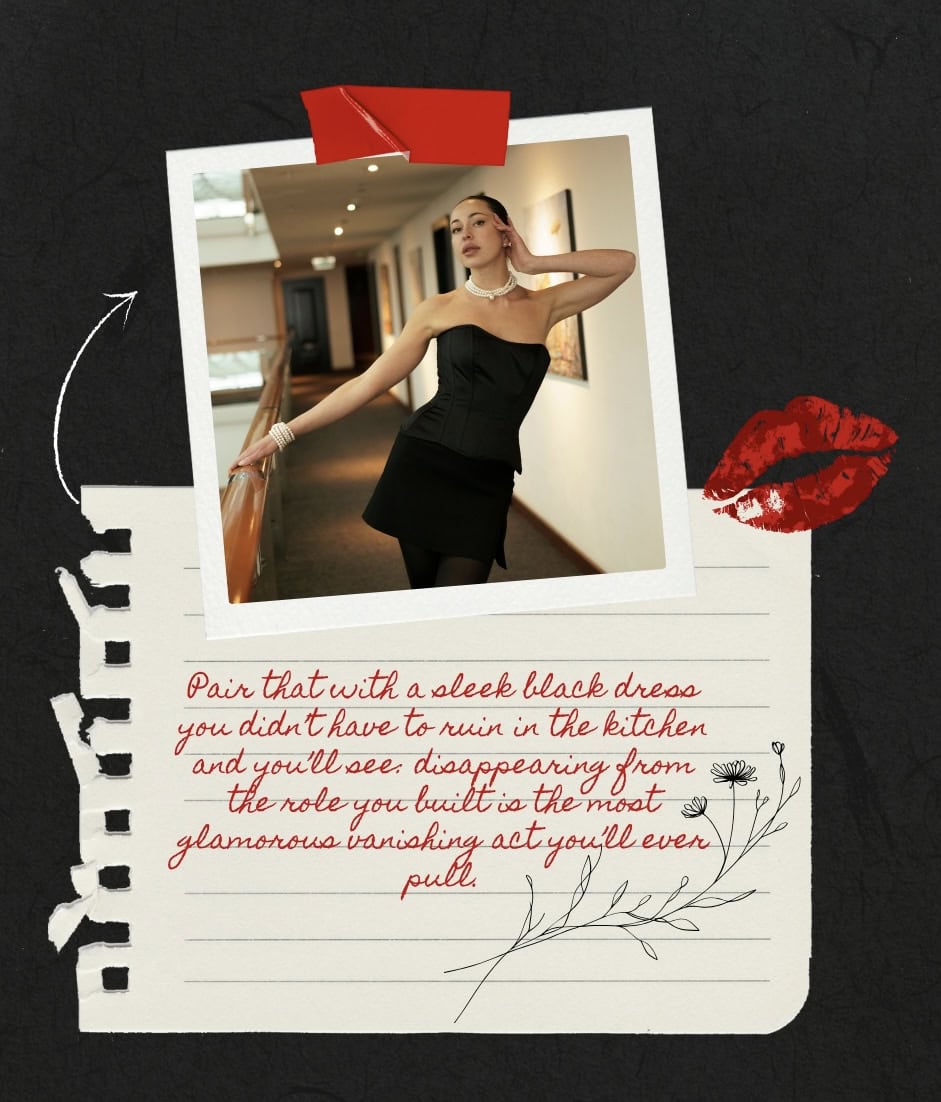
Let’s talk about the generous ones. You don’t just give gifts; you deliver surgical strikes of thoughtfulness. You plan the perfect dinner, the exact playlist, the surprise that makes them gasp like you’ve been living inside their head and that to be in those high heels and sexy black dress. And yes, you’ve used it to buy closeness. To keep people orbiting you. To make sure your presence is always in demand.
But let’s get one thing straight — not everyone can do what you do. Reading people so well you know what they want before they do? That’s not some cute party trick. That’s social X-ray vision. That’s the kind of skill companies pay researchers for — and you’re doing it casually while sipping your latte.
Here’s the truth: this is not a flaw. This is a weapon. The ability to observe, anticipate, and execute exactly what someone needs is rare — and it works. Until it doesn’t.
Because constant generosity loses its edge. The more you give, the more invisible it becomes. People stop seeing the effort; they just expect the result. And one day, you’re not the dazzling host — you’re just the catering staff they forgot to tip.
Enter the Strategic Vanishing Act.
You disappear at the right time, you pull back the endless acts of service, you create space for your absence to be felt. Because when you vanish, the memory of your precision generosity sharpens. They remember the nights you made magic happen. They miss it. And that’s when you bring it back — deliberately, selectively, powerfully.

Shock Training in Stilettos
If you’ve read this far, you’ve probably noticed — these takes aren’t therapy as usual. They’re therapy’s wilder cousin who shows up at 2 a.m., pours you a drink, and says, “We’re skipping the sad flashback montage and heading straight to the plot twist.” This isn’t an anti-therapy manifesto — if you want to see a therapist, go. These are just side-door workarounds. Sometimes, while the main entrance is being renovated, the side door is the fastest way in. It’s about nervous system recalibration, not excuse.
Critics call it avoiding the wound. I call it rewiring the electricity so the whole building doesn’t black out when someone frowns at you.
The polite crowd says, “You’re not fixing the wound, just decorating it.”
The bold crowd says, “If the wound stopped running my life, I don’t care if it’s still there — it’s background furniture now.”
Critics cry, “But you’ll repeat the pattern!”
Supporters shrug, “Once I set boundaries in real time, the past loses its power without me even touching it.”
The fearful whisper, “Your tricks will collapse under stress.”
The daring smile, “Every small win is a stitch in a new identity.”
I’m not claiming these are secret tricks therapists hide. Most want you to find the root, name it, heal it. These controversial ones? They say — forget the origin story. Train your nervous system to survive the moments it’s scared of, and watch the rest rearrange itself.
Your brain learns safety through repetition, not perfect backstories. Survive enough “dangerous” no’s — even sugarcoated ones — and your nervous system updates the file: This isn’t dangerous anymore. You lose the reflex and can walk into any room with your boundaries intact.
Tiny wins, repeated, become identity. Research shows ( READ ME ). It’s not baout perfection – it’s about being reborn, one bold move at a time.
But be aware some get hooked on the workaround — like stilettos, empowering until you forget how to run barefoot.
So yes, this is shock training for the brain — a couture crash course in survival. And if anyone says it’s manipulative, just remind them the game was rigged before you even picked up the dice. You’re simply playing it in heels now.
Disclaimer: This piece is for reflection and entertainment, not medical advice. For mental health concerns, please consult a qualified professional.









EMOTIONS
