Mirror, mirror, who the hell is that?
She’s got the role. She’s glowing online, applause growing louder every day. But some mornings she wonders — is this really her life, or just a version she created to survive?
Either way, she’s not just surviving. She’s thriving.
Isn’t it a little weird? No actually, forgive me it is downright fascinating. Like how easily we slip into different versions of ourselves, like slipping into a dress. One moment we’re the boss in heels, commanding the room like it’s ours. The next we’re people pleasing in flats, clapping along like our life depends on it.
Admit it. Half of time we’re not even sure if it’s just survival, performance, or something sneakier. Now humor me for a second, will you? Have you ever noticed how the same you shows up differently depending on the room? Like seriously, it’s wild when you think about it. In one sitting, you’re sharp, witty, the absolute star of the show. And then in another POOF! you’re quieter, softer, almost unrecognizable even to yourself.
Certain people brings sparkle in your eyes, stories flow, your laugh fills the air, you’re magnetic but more than that you are comfortable. And then BAM! with others, you shrink. You’re polite, you’re agreeable almost edited like someone pressed backspace on your personality. Sometimes it’s the place that makes you bold. Sometimes it’s a person that makes you cautious.
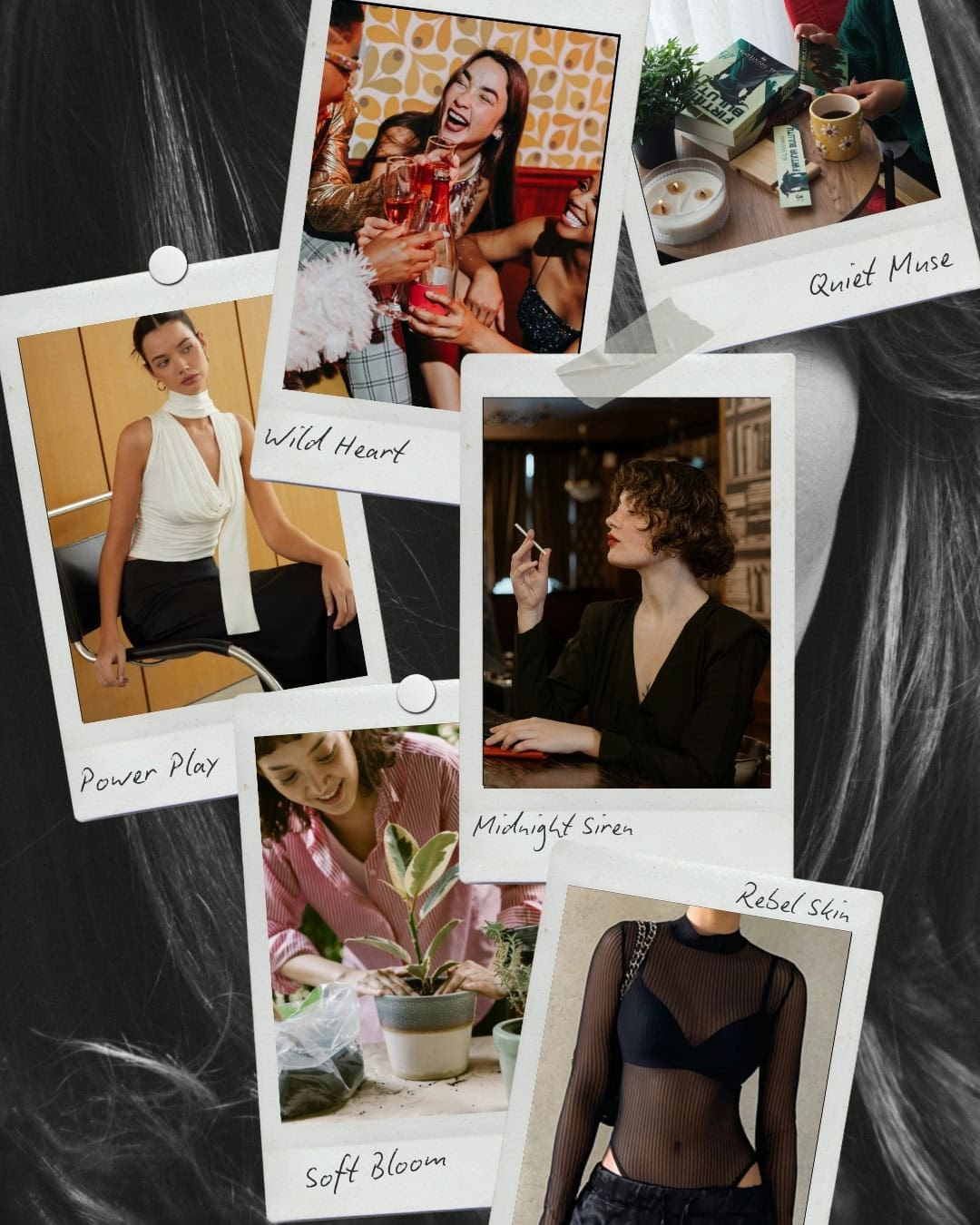
But the craziest part? Half the time, you don’t even realize the shift has happened. It’s automatic, like your mind just swaps versions depending on the vibe without even bothering to ask for your permission. Turns out, what looks like being ‘fake’ is actually a survival art form — psychologists might call it adaptive identity, but I like to think of it as adaptive consciousness in heels.
You know what’s really funny? I always thought switching versions of myself meant I was fake. I mean, you hear it everywhere, right? “She’s fake. She’s this. She’s that.” Just the endless jibber jabber floating around. But oftentimes you do stop and wonder. How is it even possible that one moment I’m the bold one, like I own the room… and the next I’m this quiet little shadow, blending into the wallpaper. Honestly, if I didn’t have a body, no one would notice I was there.
For years, I told myself to pick one. Be authentic. Stop confusing people. How could one person be seen in ten different ways? How could one friend know one version of me and another swear by a completely different one?
Here’s the truth I didn’t see then. It wasn’t me being flaky, or worse a fraud (thank God). It was me being adaptive. I don’t even know when my brain learned that trick, but it was more of a performance long before I realized. I slipped into heels when I needed confidence, pulled out flats when I needed safety. I thought I was just swapping outfits, but really I was shedding an entire identity.
Psychologists might call this concept with different names.
I just call it proof that my mind has been protecting me or styling
Do you know that psychologist has been obsessing over this thing for decades?
Sounds clinical, I know i was bored my minds out while reading about that but actually it’s crazy
Trust me!
In fact, psychologist Hazel Markus, who coined the term working self-concept explained that at any given
moment, dozens of possible selves hover in the background, like outfits waiting in the wings.
As soon as the scene shifts, one steps forward, takes the stage, and suddenly that’s who we are.
They say our identity isn’t one fixed tone. It’s more like a walk-in closet. Rows of selves hanging neatly…
or chaotically, depending on the day. Each outfit is a version of you, waiting to be worn.
The brain that sneaky stylist. That it is, it picks the fit without even asking you. And it gets deeper by the way.
Self-monitoring. That’s the actual skill of adjusting your behavior to fit the context. Read here
A skill!!!! I mean something can be used. Be ready for this BOMB!
Not everyone has this skill. Here is the first split. High self-monitors. They’re the chameleons. Reading the room like a stylist reads a face, tailoring responses like a designer sizing fabric. These are the people who can slide from boardroom banter to best-friend gossip without missing a beat. Low self-monitors exist too. The “what you see is what you get” crowd.
Both are valid. But research shows the chameleons often climb faster, not because they’re liars, but because they’re fluent. They know how to read the room and dress the part — not just in clothes, but in character. Shifting selves is less like acting and more like choosing an Instagram filter. You don’t change the photo — you change the mood. One swipe and suddenly the same face looks dreamy, moody, or razor-sharp. That’s what your brain is doing in real life.
And guess what? MRI studies backs it up when you shift contexts — say from a casual hangout to a formal office setting — your brain lights up in two key areas: the social radar (a.k.a. social cognition) and the mood control panel (a.k.a. emotional regulation). It’s literally recalibrating, switching filters to prepare you for the expectations of the space. Think of it like Spotify automatically creating a playlist for your mood before you even press play. You’re not faking it, you’re on autopilot.

Okay, let’s step off the paper and into real life. Shall we?
Nobody calls you a fraud for swapping jeans for a sequin gown depending on the invite, right? You wouldn’t show up to a Monday morning status call in a feathered cocktail dress unless you want HR to really remember you. And nobody hisses at you for not wearing red lipstick to a 6am yoga class unless you’re a rebel (in which case, respect).
Everyone’s so quick to label the internet switch as fake, two-faced, masking. Isn’t it strange? The world applauds versatility in fashion, in home décor, in playlists. Yet, when the playlist is internal, when the psyche selects a bolder, softer or smarter self. There comes out the labels: pretender, fraud, fake.
But here’s the truth. This is not fakery. It’s not betrayal. It’s brilliance. It’s your intelligence, your awareness and your adaptability that is shimmering in real time when of course done for the right reasons.
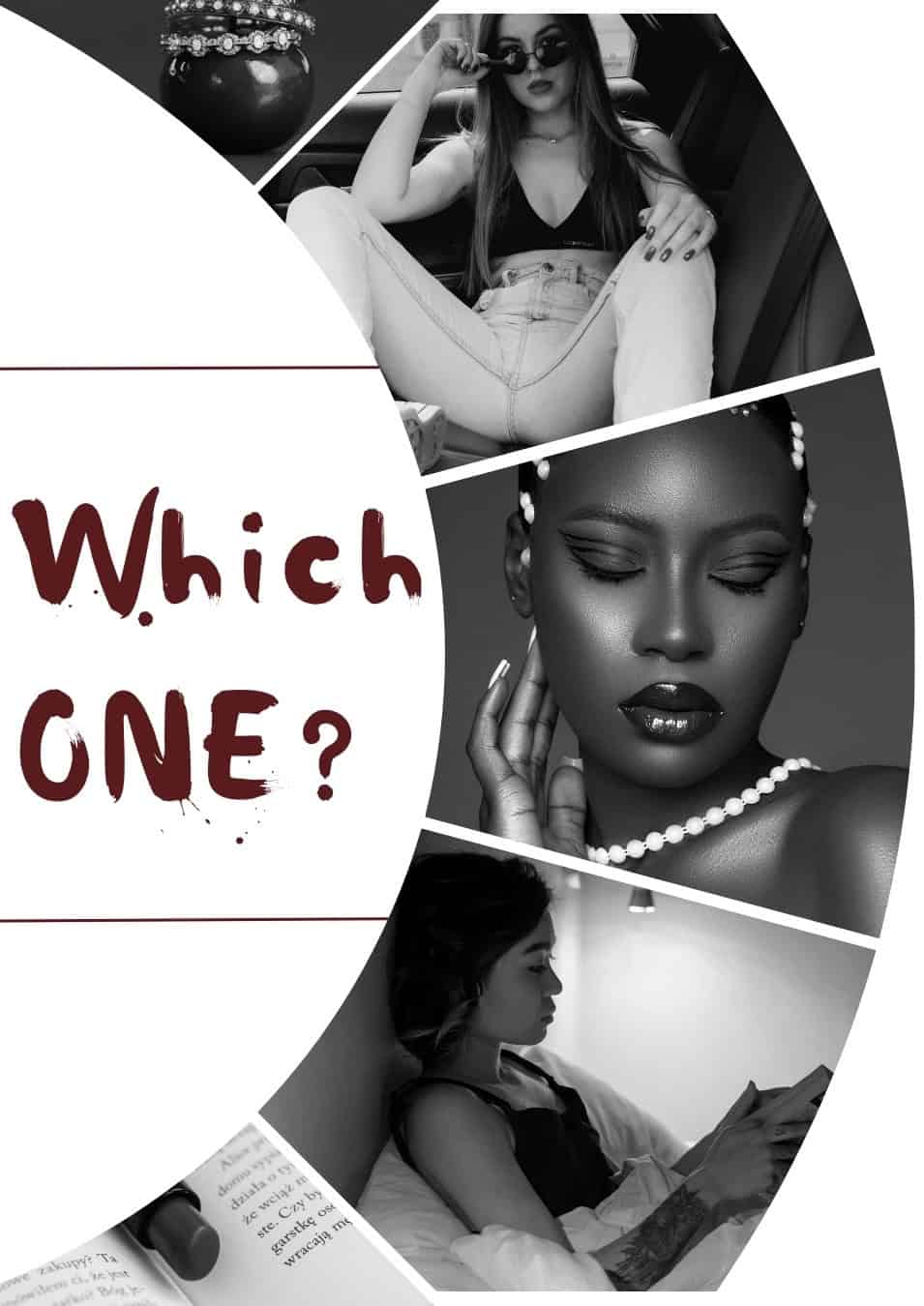
Now the question is which one you wanna be? I guess I know the answer. Now imagine if you would be able to learn or get a hold of this skill. Won’t that make you a genius.
Now, there are different ways to actually control or work on this skill to train yourself to flex it on command. Maybe not entirely, but to some extent. If you ask me, there are certain aspects I’ve personally tried. Experiments that not only helped me understand this skill but also showed me how it plays out in real life.
And before I go further, let me be clear: I’m not delusional. I chose this subject because I’ve seen real changes in how I act, in how people perceive me, in the outcomes I create and that is how this brand came into light. If wanna know about that. You might need to start here. These aren’t theories pulled from thin air. They’re tested, studied, and lived. These techniques are already something on paper — and more importantly, something I’ve personally tried.
Dress the Part, Steal the Scene
Forget vanity. Forget trends. This isn’t about impressing the world this is about reprogramming your nervous system. What you wear is a spell. A lipstick shade can summon courage. A black blazer can anchor authority. Fabric isn’t just fabric; it’s identity stitched in. You dress the part and you embody the energy. I’ve myself lived this. On days I’ve felt low, I chose outfits that embodied the energy I needed. It was like tricking my brain into a new state. And shockingly, it worked.
Even psychologists would agree with me. They even have a term for this enclothed cognition— showing what you wear literally changes how you think. If you’re curious, read more here. They’ve proven that when you dress in a certain way, your brain actually shifts how you think, pay attention, even how you show up.
Turn Up the Volume on Your Adaptive Identity
All of us hear music like all the time. Weather it is a breakup or runway to walk the walk. Think of music as the fastest way to hack your state. One looped track can turn hesitation into swagger. A playlist can become a ritual, as powerful as prayer. Athletes do it before games, soldiers before battle.
And here’s the fun bit to back this up. Neuroscientists say it’s not in your head. Well it is, literally! Music taps into your brain’s reward system, even regulates stress hormones. No wonder you feel stronger when that beat drops. If clothes are your armor, then music is your war drum. And your nervous system? It has no choice but to march to its beat. So turn up that volume and drink the potion.
Rehearse Until Reality Catches Up
Here comes the next tool. This is where the real transformation hides. Repetition is the sculptor of identity. Imagination is the chisel. I am sure you must have heard the saying “fake it till you make it”. You practice it till you becomes it.
It sounds almost too easy, but research on neuroplasticity backs it. The brain barely distinguishes between ‘real’ practice and ‘imagined’ practice. That’s why athletes visualize routines, why actors immerse themselves so deeply they sometimes struggle to shake a role off. Every repetition, every mental rehearsal is like carving a groove in your mind. Do it long enough, and that groove becomes a highway.
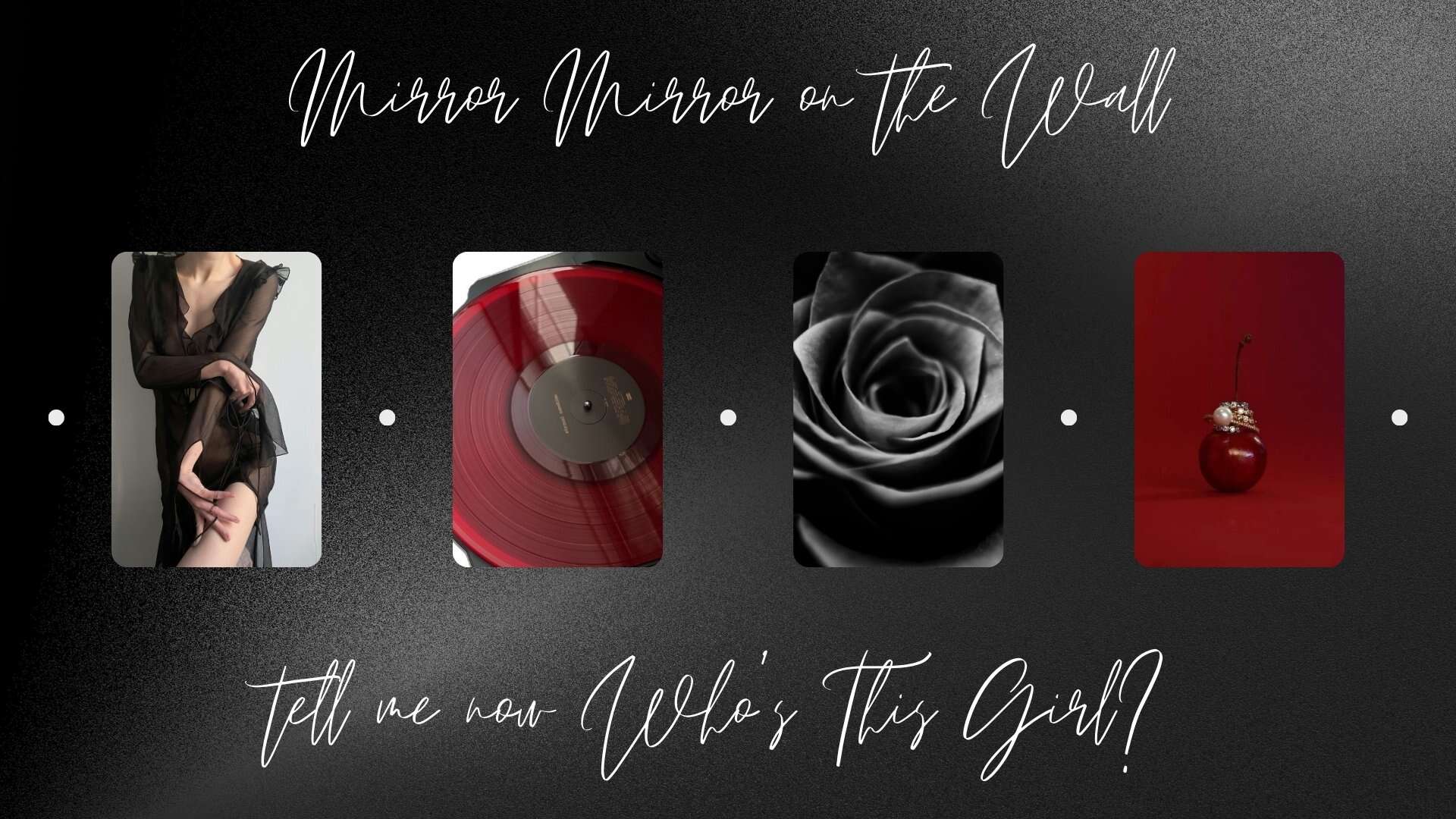
Mirror, Mirror, Change My World
This isn’t about cheesy mantras whispered under your breath. This is about raw confrontation. Look yourself in the eye and speak it until the tremor in your voice disappears. Until the words stop feeling like lies and start vibrating through your body as truth.
And if you’re skeptical — good. Most people are. But experiments in psychology show affirmations actually reduce stress and increase performance under pressure. Because the way you talk to yourself shapes how your brain handles challenges. The day you believe yourself — really believe — is the day the world starts believing you too because what is in the inside reflects on the outside.
It’s not just happens with talking by the way. Scripting can do wonders. This is journaling turned nuclear kind of thing. What you need to do is on a piece of paper write who you want to become. Be mindful cause this is something to remind you. Then on the next piece of paper you write it like you have already become that person. Let me give you an example. Instead of writing “I want to be confident,” you write: “I walked into the room and silence fell. I owned the space.” You don’t wish. You declare. You anchor feelings into words, and those words etch into your subconscious.
Pin It Till You Live It
Now here is something more fun and aesthetic. This one is deceptively simple. But don’t underestimate it. Vision boards. Yeah!! you read it write. Vision boards actually works because your brain is greedy for familiarity. When you see your dream life not once, but every single day it stops feeling impossible. It stops feeling foreign. Suddenly, your nervous system treats it like home.
There’s science here too. Studies with athletes showed that simply visualizing their success fired up the same neural patterns as living it. That means pinning a photo of your dream house or your ideal lifestyle isn’t child’s play — it’s cognitive training. Pinterest isn’t just a guilty pleasure anymore; it’s a tool.
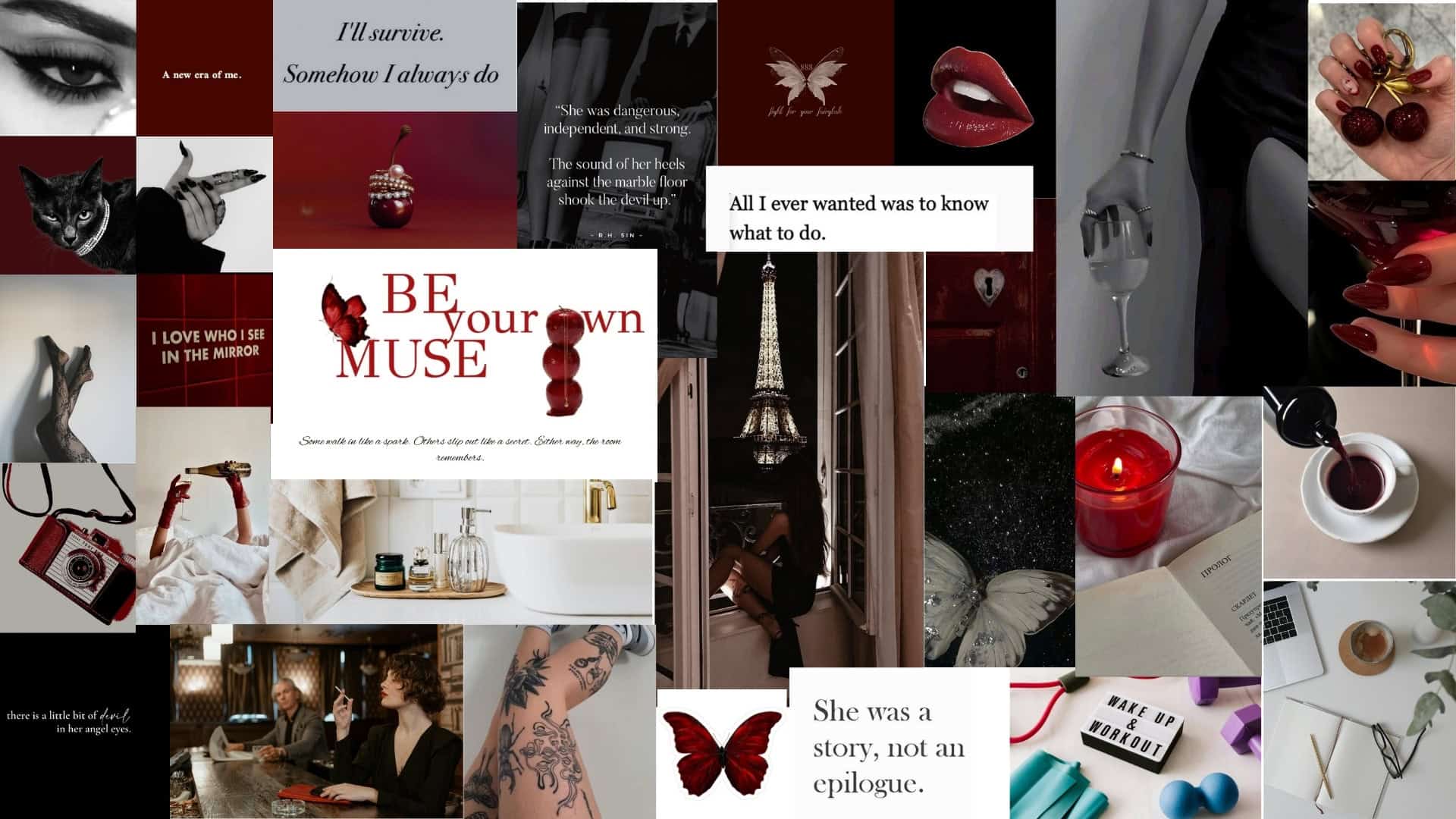
If you are still in any sort of dilemma. Look at our own lives. Have you ever binge a Netflix series and suddenly catch yourself imitating a character’s gestures or phrases? It’s not random. The brain is a pattern-recognition machine. Clothes and makeup are outside triggers, yes but repetition, routine, even imagination are deeper ones. This is where psychology meets spirituality.
Neuroscience calls it habit formation and rewiring. Hindu philosophy calls it Samskara. Impressions carved into the mind by repetitive thoughts and actions. Both worlds agrees that you become what you practice. Want to be bold? Speak a little bolder each day. Want discipline? Wake up at same the hour your ideal self would. Want presence? Build small rituals that summon it.
Minute changes stack. The more you practice, the easier it becomes. Consciously or unconsciously you’re already doing it. But when you do it with intention through symbols like clothes, makeup, music, through speech rehearsals, routines, memories, and imagination. You can actually embody the ideal self you’re reaching for. That’s not being fake. That’s rehearsal. That’s training your brain maybe even your spirit to agree. That’s what “fake it till you make it” really means.
And if someone still hisses “two-faced” or “pretender”, smile. They’ve missed the point. The shift isn’t betrayal. It’s survival. It’s tactic. It’s style. It’s the genius of your psyche, styling you for the scene you’re in and the scene you want to walk into.
Here’s a little disclaimer in bold because I know someone, somewhere is itching to twist this. If you’re already consciously or subconsciously living in a fake persona. Congratulations!!! It means your nervous system already knows this skill you’ve been switching masks without even realizing it. But here’s the catch: Don’t confuse skill with purpose.
This practice isn’t about bouncing endlessly from one character to another until you forget who you really are. It isn’t about weaponizing charm, faking depth or building a whole life on costumes. That’s not intelligence, that’s escape.
The real point here is choice. This practice is about picking a persona with intention. The self you actually want to grow into. It’s about using clothes, music, rituals, memory, imagination as stepping stones not as hiding places. And it requires resilience, focus, and determination.
Because at the end of the day, this isn’t about losing yourself in the act. It’s about building yourself through it.