THE ACHE OF BEING UNNOTICED
Even felt this? unnoticed? Forgotten? Left standing there like the extra in a rom-com who doesn’t even get a name in the credits?
The kind of loneliness that doesn’t scream it whispers until you can’t tell if you’re losing your mind or just losing your place in the world. It’s like you didn’t even show up.
You laugh, and the sound evaporates like perfume in the air. You tell a story, and it dies mid-sentence because no one catches it. Loneliness like this doesn’t come from being alone. It comes from standing in a room full of people who act as if your chair is already empty.
You try to join the conversation. Lips parting, words rising like champagne bubbles and then, BAM!! Someone cuts you off. They keep talking. They don’t even notice they mowed you down. But you do. Oh, honey, you feel it in your bones like a slap in the face.
So you go quiet. What are you supposed to do? Interrupt the interrupter? Wave your arms around and shout, “Hey, I’m here too!” That feels embarrassing. Too needy. Too much.
And it’s never just once. If it happened once, you’d shrug it off. But when it keeps happening — when it becomes your unofficial party trick, the girl no one hears. You start wondering if they even wanted you there. Maybe you’re just the pity invite. The plus-one nobody asked for. The human equivalent of a ‘like’ out of politeness.
That’s when the ache turns vicious. Because you know deep, deep down that if you left, no one would stop you. In fact, they might breathe a sigh of relief.
So you fake it. You smile, you laugh on cue, you sip your drink and hope no one notices the lump in your throat. Because God forbid you cry and ruin your mascara — now you’re not just invisible, you’re high-maintenance too.
And the ache follows you home. It kicks off its heels, throws your jacket on the floor, and whispers, “maybe it’s me. Maybe I’m just not enough”.
You replay every silence, every look, every moment you disappeared mid-sentence. And the worst part? There’s no answer. Which means invisibility doesn’t just hurt. It settles in like a permanent roommate. That’s the ache. Not loud. Not dramatic. Just an endless echo: Do I even exist here?
And tell me this if it sounds familiar: you’ve spent hours getting ready— the right outfit, the lipstick that makes you feel like you could conquer Wall Street, the scent that trails behind you like a promise all because you wanted people to notice. Not stare. Not obsess. Just notice. Just nod to the fact that you showed up, that you exist, that you made an effort.
And darling, we are not talking about attention. Attention is performative. Visibility is dignity. Presence.
Because it’s not about the whole world. Sometimes it’s just one person. The friend whose presense is oxygen, the boss who skims past your idea in the meeting, the date who checks his phone while you’re talking. Sometimes it’s a group you’d give your right stiletto to be part of. Sometimes it’s someone special. Sometimes it’s just the one person who should have seen you in that moment and didn’t.
And let me say this out loud: it’s not just you. And it’s definitely not in your head. Psychologists say invisibility registers in the brain like a survival threat. Your body literally reads it as danger.
Research shows the same pain centers activate when you’re socially excluded as when you’re physically hurt (Eisenberger et al., Science). Chronic exclusion even spikes cortisol, the stress hormone, which is why invisibility can feel physically exhausting (APA Monitor).
The Ache That Cuts Deeper Than Rejection
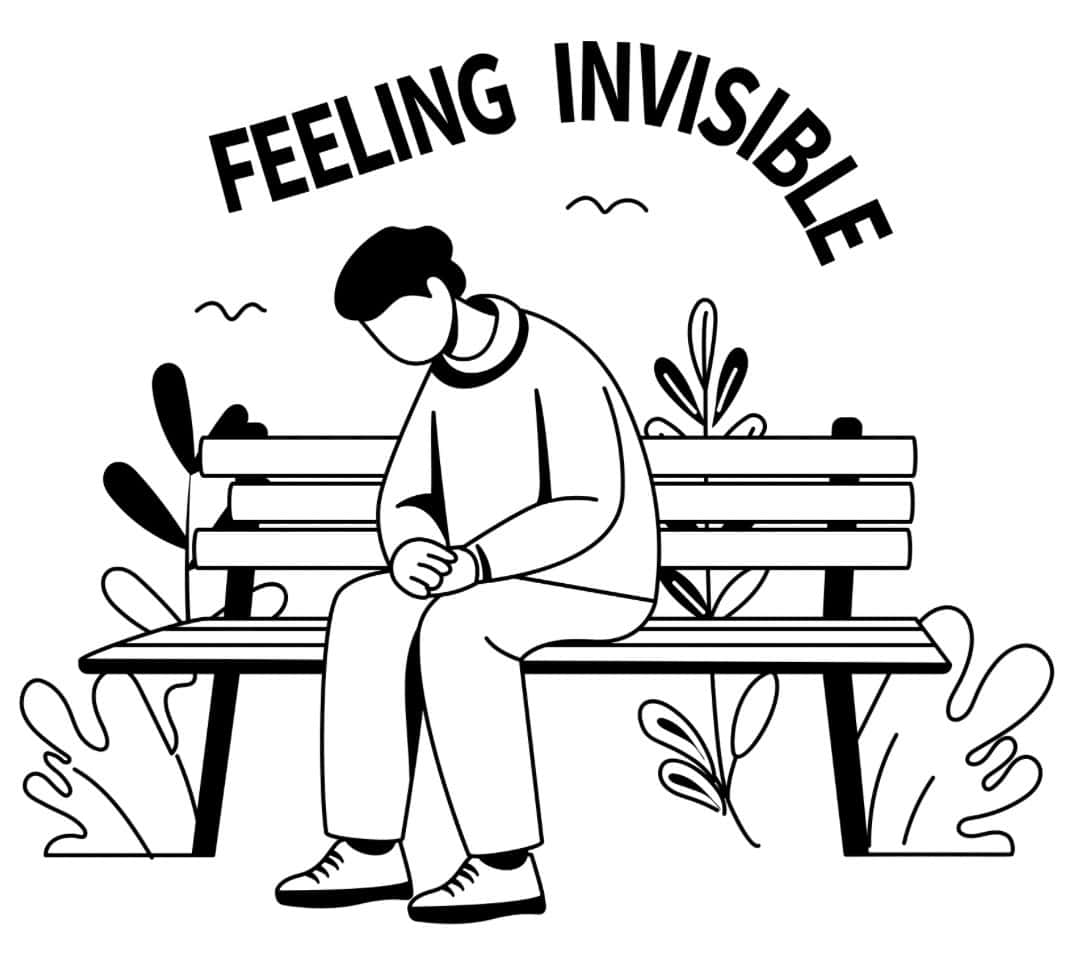
Rejection hurts. We all know it. But at least rejection is polite enough to look you in the eye and say, “Yes, darling, I hear you — I just don’t want you”. Brutal? Yes. Honest? Absolutely.
Rejection stings because it shows up. It’s the kind of pain you can actually hold. You can ugly-cry into a pillow, binge a pint of Ben & Jerry’s, blast sad Taylor Swift, and eventually, move on. Rejection acknowledges your existence, even as it slams the door.
But invisibility? Oh, that’s a silent assassin. That’s not someone saying no. That’s someone not even seeing there was a question. No eye contact. No acknowledgment. Just… absence.
Rejection leaves you bruised. Invisibility leaves you doubting you were ever there. The kicker is: rejection makes you look outward, makes you shake your fist at the universe. Invisibility drives you inward, like acid eating away your reflection. It convinces you that maybe you’re broken. And it doesn’t stop with one bad party or one ignored story. No, darling, these moments layer. Childhood to adulthood.
The teacher who skipped your raised hand. The sibling who always stole the spotlight. The parent who missed the tears in your eyes. The friend who forgot to save you a seat. Every time, your body made a note: I don’t matter. And the research agrees: repeated exclusion literally wires into beliefs about belonging (Wikipedia – Social Rejection).
Invisibility wears many disguises. That’s the difference. Rejection is an event. Invisibility becomes an identity.
The Silent Rewrite — How Invisibility Shapes Who You Become
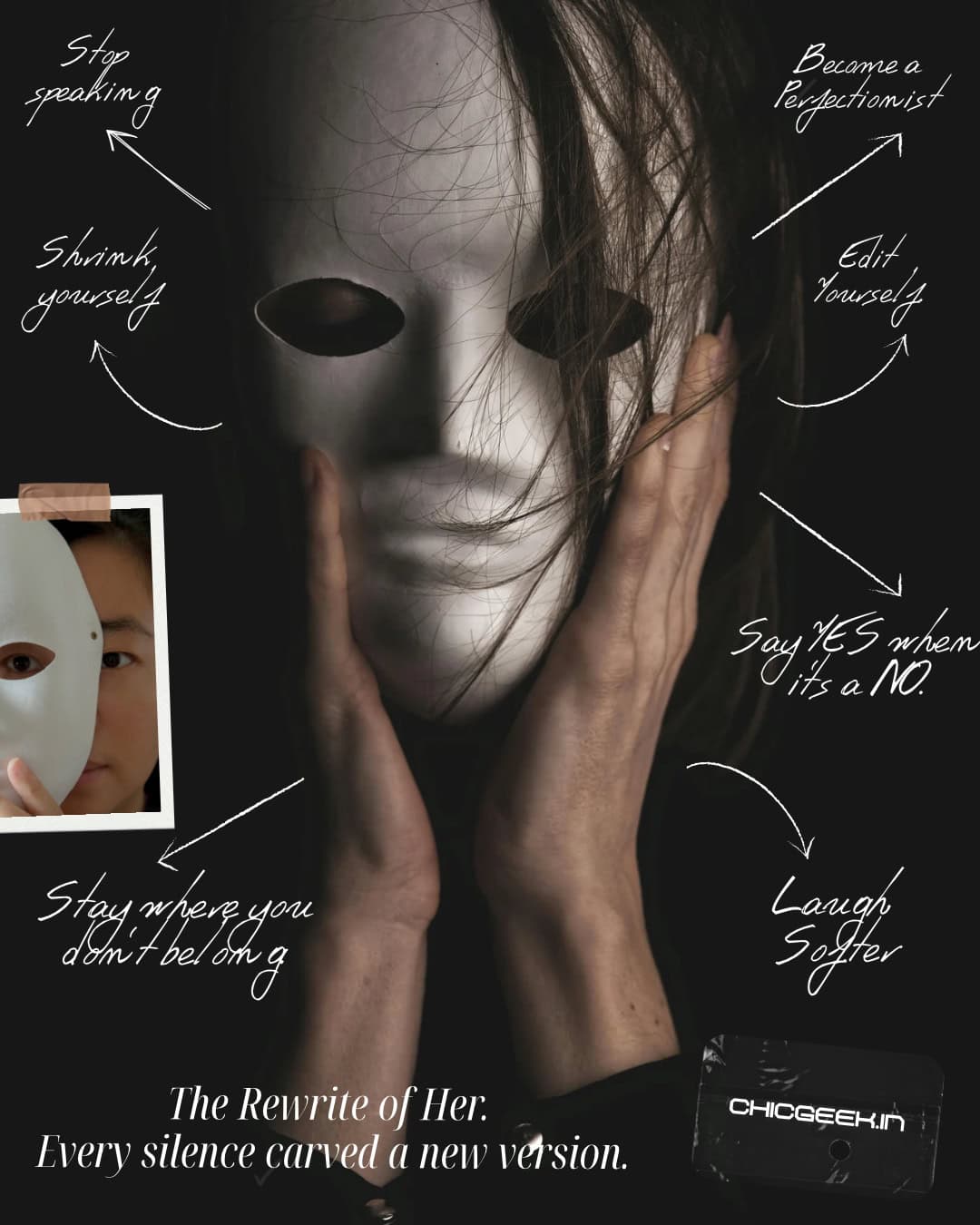
Here’s what no one wants to admit. Invisibility isn’t just an ache. It’s a teacher. A mean, manipulative one. It doesn’t just bruise you it rewires you. At first, it’s subtle. You bite your tongue when someone interrupts. You dim your laugh. You edit your story so it doesn’t sound too weird, too much, too… you. But then invisibility moves in, and darling, it redecorates. It whispers rules like:
• Don’t speak unless it’s perfect.
• Don’t exist unless someone validates it.
• Don’t risk being forgotten.
And slowly, those rules stop sounding like fear. They start sounding like you. Some of us go inward as perfectionists who never sleep, chasing gold stars like our life depends on applause. I wrote about this in Why Women Become Overachievers. Read it if you want to know how cultural scripts and gender norms push women into proving themselves over and over until achievement becomes survival, not joy.
And some of us go outward as chaos-creators, storm-bringers, because if the world won’t notice our light, it damn well will notice our fire. That’s how invisibility writes its script into your life: it drives you into rooms you don’t belong in, into relationships you don’t even want, into choices you swore you’d never make.
Until one day, you look in the mirror and wonder: Who am I? Did I become this just to be seen?
The Shadow Ache — When Visibility Becomes a Dangerous Currency

Let’s bring light to the ugliest truth around this. Invisibility doesn’t just hurt. It messes with your economics. Suddenly, visibility becomes a currency, and you’ll trade almost anything for it.
You stay in friendships that drain you, just because at least they notice you. You date the wrong people — not because it’s love, but because it’s attention. You say yes to jobs you don’t want, because someone finally pointed at you and said, “Her.”
And then there are the darker trades. The girl who cheats on her boyfriend — not because she doesn’t love him, but because his steady love feels invisible. Research shows infidelity is often driven by unmet emotional needs and the search for validation (Simply Psychology).
Or the friend who stirs gossip in every circle. Not because they’re cruel, but because conflict guarantees eyes on them. Studies suggest gossip often functions as a way of gaining attention or social power (TIME – Why Do People Gossip?).
Or the person who drinks too much, posts reckless photos, dates the wrong people — not because they don’t know better, but because invisibility whispers: if they won’t notice you for your light, they’ll notice you for your wreckage. Psychologists have found that risky behaviors can sometimes emerge as bids for recognition when self-worth feels low (Verywell Mind).
Or the tantrum-driven kid — always caught in trouble, always in the principal’s office — because punishment, at least, is still attention.
That’s the shadow of invisibility: it convinces you that bad attention is better than none. That toxic love is warmer than silence. That reckless choices at least guarantee someone’s eyes on you. Then comes the paradox. You crave the spotlight, but the second it hits you, you flinch. You want eyes on you, but you’re scared of being scrutinized. That push-pull? That’s invisibility’s scar — craving and fearing the same thing at once.
No wonder you feel exhausted. It’s a nervous system stuck in tug-of-war.
And the scariest part? You call it compromise. You call it loyalty. You call it being grateful. But if you strip it down, half the time it’s just survival — the ache steering the wheel while you convince yourself you’re driving.
Because here’s the truth: invisibility doesn’t always leave you unseen. Sometimes it leaves you too visible — but in rooms you never wanted to be in.
It’s Icarus all over again. Desperate for the sun’s gaze, flying too close — only to burn in the very light you begged for.
From Unseen to Unstoppable
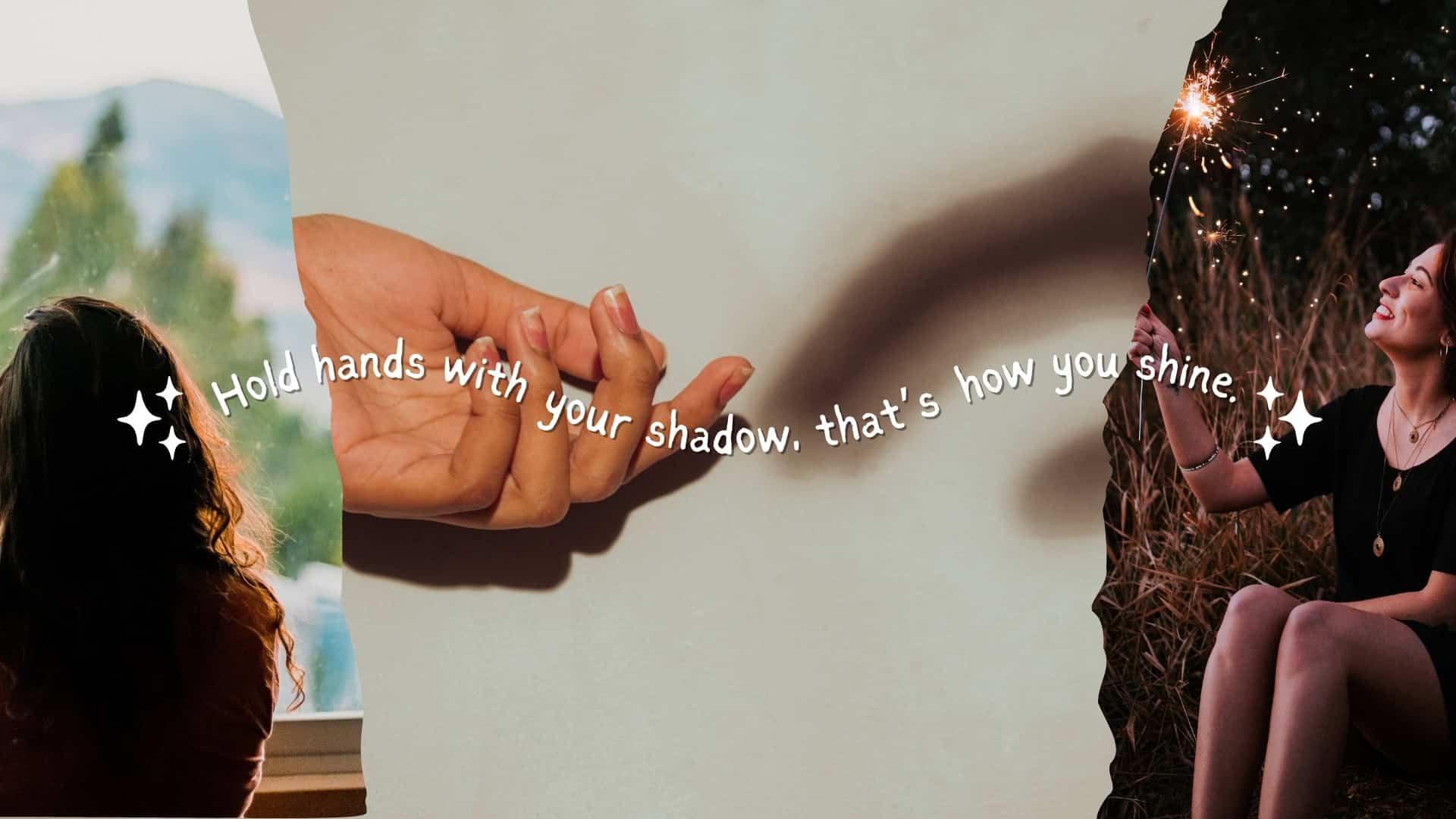
Now, let’s pivot. Because here’s the tea, babe. The ache is real, it’s valid, it’s shaped you but it doesn’t own you. You do. Yes, invisibility might have written parts of your script. But guess who holds the pen now? It’s you. And the rewrite doesn’t start with louder clothes, bigger laughs, or shinier resumes. It starts with one radical act: seeing yourself first.
Because when you’ve got self-visibility, the world can’t gaslight you into doubting your presence. Your worth isn’t tied to who claps, who calls, who texts. It’s tied to the fact that you know you exist.
The magic happens when you see yourself clearly, others feel it. Confidence leaks louder than insecurity. You don’t need to scream, “Look at me!” You walk in, and the air shifts. Not because you begged for attention, but because your energy whispers, “I see me — and that’s enough.”
So stop chasing visibility like it’s oxygen. Start treating it like it’s a mirror. And babe, if you’ve ever wondered whether you matter? You do. Even when they didn’t clap. Even when they didn’t call your name. Even when you sat invisible in the corner, trying not to cry. You mattered anyway. You still do.
And if you’re itching to start now, I’ve got a couple of lighter, surface-level tools you can play with:
One on people-pleasing — why we do it, and how you can flip it into a tool instead of a trap. And the other on identity shifts — how to borrow new versions of yourself until the real one catches up.
Think of these as surface-level hacks. But the deeper work is healing invisibility at the root that’s where we’re heading next. That looks like boundary work, nervous system repair, inner child healing. The kind of things that don’t just patch the surface but rebuild the foundation. Until then, sip your martini, adjust your lipstick, and remember:
You already exist. You already matter. The rest? Just accessories.